
Sign Up For Free Tips So You Can:
Why Curiosity Gaps Work In Paid Traffic Headlines
Paid traffic gives you very little time to earn attention. A prospect may see your ad between messages, during a commute, or while comparing options on a mobile screen. The headline must create enough interest to win the click without making a promise the landing page cannot support.
Curiosity gaps work because they reveal part of a useful idea while withholding the detail that completes it. This creates an information gap in the reader’s mind. When the missing detail appears relevant to a problem, desire, or risk, people feel motivated to close that gap by reading further.
For Australian businesses, the principle applies across search ads, social campaigns, advertorials, and email-driven traffic. A Melbourne service provider, a Sydney ecommerce brand, and a regional business targeting customers across Queensland can all use curiosity, provided the message remains specific, credible, and connected to the offer.
Why The Gap Captures Attention
A clear statement can communicate value, but a carefully incomplete statement invites mental participation. “Reduce your electricity bill with three changes” is useful, while “The overlooked change reducing power bills in winter” encourages the reader to discover what has been missed.
The effect comes from a tension between knowing enough to care and not knowing enough to feel satisfied. The headline supplies a subject, outcome, or warning, then leaves a meaningful detail unresolved. That unresolved detail becomes a reason to continue.
Curiosity is strongest when the reader already recognises the situation. A headline about lowering advertising costs will attract a marketer more effectively than a vague promise about business growth because the audience can immediately connect the gap with a current concern.
How Paid Traffic Users Decide
Paid visitors are usually scanning rather than studying. They compare several headlines, assess relevance, and decide whether a click appears worth the cost in time or money. A curiosity-based headline can interrupt that scanning pattern by presenting an unfinished idea with a clear payoff.
The gap must still signal who should care. “What changed our conversion rate” is weak without context, whereas “The checkout change lifting conversion rates for Australian retailers” gives the reader a reason to identify with the claim. Relevance turns curiosity into qualified attention.
Search intent matters as well. Someone looking for “best accounting software for sole traders” may respond to “The fee detail many sole traders miss,” while a broad social audience may prefer a story-led angle. Match the open loop to the awareness level and intent behind the traffic source.
Build Tension Without Misleading
A curiosity gap becomes harmful when it hides essential information, exaggerates an outcome, or leads to a different experience after the click. The landing page should answer the headline’s implied question early, then provide evidence, explanation, and a logical next step.
Trust is particularly important for financial services, health products, and high-value purchases. A headline that hints at a surprising result needs proof such as data, a case study, a demonstration, or a clearly stated condition. Guidance on writing credible reassurance is available in this resource on buyer guarantees.
Use precise tension instead of empty mystery. “The one thing successful campaigns do differently” sounds inflated because it promises an absolute. “The audience detail that changed our campaign results” creates intrigue while leaving room for a genuine explanation.
Adapt The Message For Australia
Local context can make an information gap feel immediate. A headline mentioning EOFY planning, GST reporting, or the cost pressures facing small businesses may resonate more strongly with Australian readers than a generic international claim. These details should reflect the offer rather than appear as superficial localisation.
Timing and geography can influence performance. A campaign aimed at customers in Sydney, Melbourne, and Brisbane may need creative variations for local delivery zones, while a national campaign should account for Australian time zones and mobile browsing habits. Copy that acknowledges these practical conditions can make the promised discovery feel more relevant.
Australian buyers also tend to notice exaggerated claims and unclear pricing. State whether prices include GST where appropriate, avoid implying universal results, and make shipping, eligibility, or location limits visible. Curiosity earns the click; transparency protects the conversion.
Headline Patterns That Open Loops
The strongest patterns connect an unresolved detail with a defined benefit, mistake, or change. They give the audience enough information to understand the stakes without handing over the entire answer in the first line.
Useful patterns for paid traffic include:
- The overlooked step behind [specific outcome]
- Why [familiar approach] stops working after [relevant change]
- The cost detail [audience] should check before [action]
Another approach is to contrast common behaviour with a less obvious result. This works well for educational content and lead generation because the click promises an explanation rather than a vague sales pitch.
Try these variations when developing alternatives:
- Most businesses track [metric], but miss [important signal]
- We changed [one element] and learned [unexpected lesson]
- Before choosing [solution], check this [risk or condition]
Keep the unfinished detail concrete. A missing number, decision, process, or cause is easier to understand than an abstract promise of a “secret” or “breakthrough.”
Test Curiosity Against Clarity
Curiosity should be treated as a testable copy variable, not a permanent formula. Create versions that vary the open loop, specificity, emotional angle, and amount of information. Then compare qualified click-through rate, landing-page engagement, leads, and sales rather than relying on clicks alone.
A highly intriguing headline may produce cheap traffic that does not convert. Another headline may earn fewer clicks but attract visitors with stronger purchase intent. Segment results by device, audience, placement, and city where possible, especially when campaigns serve both metropolitan and regional areas.
Test the action language on the page as well as the ad. Experiments involving CTA button text can reveal whether the promise carried through to the next decision. Keep the winning headline only when it improves the business outcome that matters.
Build a repeatable testing record with the original wording, audience, spend, dates, and conversion definition. Marketing teams can find further practical marketing lessons to support this process, then use those principles to develop sharper hypotheses rather than making random creative changes.
A strong curiosity gap makes the prospect want the missing piece, but the complete campaign must deliver it honestly. Review your next paid traffic headline for relevance, specificity, proof, and a clear connection between the ad and landing page. Then launch a small controlled test and use the resulting conversion data to guide the next version.
Expert Marketing Tips & Tricks
We will share with you the latest tips and tricks from proven marketing experts:
- Dominate your target market
- Write powerful sales copy that converts
- Learn traffic secrets to attract unlimited leads
- Create Irresistible offers
- Grow your email list
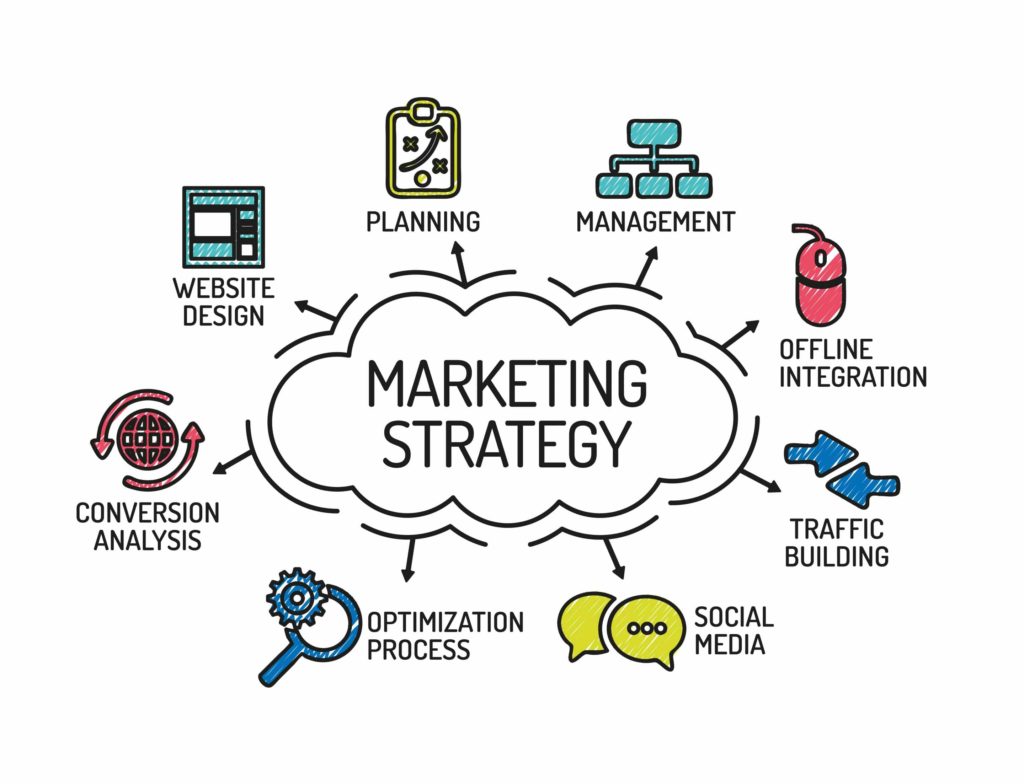
Get FREE Marketing Tips So You Can Grow Your Online Business
Check Out Our Latest Posts
Get Your FREE Gift
"5 Psychological Marketing Tips To Influence Your Customers & Make More Sales"
Download This Free e-book To Learn How To:
Want More Leads, Traffic, & Sales?
Sign Up For Free Tips & Boost Your Results Now!