
Sign Up For Free Tips So You Can:
Why Repeating Your Call-to-Action in Long Copy Converts Better
Long-form sales pages have a peculiar problem. Readers who stay engaged for three or four paragraphs often drift away before reaching the final button. Marketers pour effort into crafting the perfect closing pitch, only to watch prospects bounce somewhere in the middle.
The fix is not louder copy. It is smarter placement. A single call-to-action buried at the bottom of a 2,000-word page leaves money on the table. Repeating the same prompt at key intervals catches readers at different moments of intent.
Australian consumers scan rather than read. Research from the University of Melbourne suggests more than 60% of online shoppers skim a sales page before deciding. If your only prompt is at the end, you are asking skimmers to reverse direction.
This piece breaks down the psychology, placement, and wording that make a repeated call-to-action feel natural rather than desperate.
The psychology behind repeated CTAs
Human attention rises and falls in waves. A call-to-action works best when it lands during a peak of curiosity, not a trough of distraction. The mere exposure effect shows that people prefer things they encounter repeatedly. A button labelled "Get the free guide" feels familiar by the third appearance, and familiar feels safe. In Australia, where nearly half of shoppers abandon a purchase because they do not trust the site, familiarity converts.
Repetition also helps in practice. A reader in Brisbane might bookmark your page, return from a coffee run, and forget where they were. A clear prompt halfway down reminds them why they are there.
Strategic placement throughout the page
Where you place each call-to-action matters as much as how many you use. A common mistake is to cluster prompts at the very end, then add one at the top, and call it done. Strong long-form copy spaces them out like punctuation.
A reliable framework puts a soft prompt after the introduction, a stronger one after the first benefit block, a direct one after objection handling, and a final urgency-driven prompt at the close. This rhythm works well for mobile readers. If you want a deeper look at how urgency lifts click-throughs, the guide on social urgency in email campaigns walks through several tested examples.
Wording variations that keep it fresh
Repeating the exact same phrase five times is not strategy. It is noise. The trick is to vary the wording while keeping the destination consistent. Each iteration should match the emotional temperature of the section it sits in.
After a story, try a softer invitation. After benefits, lead with the value. After objections, switch to a direct command. Readers in Sydney and Melbourne respond well to this tonal shift, partly because Australian copy has moved away from hard-sell tactics. A strong subject line that gets opened sets up the email click, and the body repeats the promise before asking for the sale.
Single CTA vs multiple CTAs: a comparison
| Factor | Single CTA at the end | Repeated CTAs throughout |
|---|---|---|
| Visibility for skimmers | Low | High |
| Match to attention peaks | One chance | Multiple chances |
| Mobile reading experience | Poor | Strong |
| Risk of feeling pushy | Low | Medium if poorly written |
| Best for | Short pages, brand awareness | Long-form sales letters, product launches |
The numbers tilt toward repetition. A study of Australian e-commerce stores found that pages with three or more prompts converted 34% better than pages with a single closing button. The lift came mostly from mobile users.
How attention spans actually work in long copy
The myth of the eight-second attention span is just that, a myth. Attention spikes whenever a reader encounters something new: a fresh benefit, a new story, a different angle. A call-to-action placed at one of these spikes catches the reader at a moment of fresh engagement.
This is why transitions matter. A weak transition like "Click here to learn more" feels like an interruption. A strong one like "Once you see how this works for retail managers, the next step is simple" feels part of the sentence. The CTA is the verb at the end of a thought, not a bolted-on sticker. External cycles also shift urgency. Coverage of global trade tensions shows how news events can change a reader's mood overnight.
Mobile habits and the Australian reader
Australia's mobile penetration is among the highest in the developed world, and Sydney commuters alone account for millions of mobile sessions each morning. These sessions are short, fragmented, and often interrupted. A reader who starts your page on the train might finish it at their desk three hours later, if at all.
This is the strongest argument for repetition. A mobile reader who scrolls past your first prompt at 8:14 am might land on your third prompt at 11:47 am and convert. The page that waits until the end loses that reader twice. Sticky bars and inline buttons extend the reach of your call. Make sure the wording changes so the reader does not see the same button four times in a row.
Tracking which CTA actually converts
Most platforms, from Shopify to WordPress, let you tag each button with a unique UTM. This is the only way to know which repetition is doing the work. Many Australian marketers skip this step and assume the final button earned the sale, when an earlier prompt did the heavy lifting.
Set up tracking before you publish. Run the page for at least two weeks. Then look at which prompts convert and which underperform. A prompt that nobody clicks is a sign to rewrite, not to delete. A look at bizarre Italian film covers reinforces the same idea. Strange imagery sticks because it breaks the pattern, and a well-placed call-to-action does the same by interrupting the flow at the right moment.
Ready to put this into practice? Map your next long-form page into four blocks, drop a tailored call-to-action at the end of each, vary the wording, and tag every button. For more frameworks, grab the free ebook and join the Marketing Cipher list for fresh copywriting tactics every week.
Expert Marketing Tips & Tricks
We will share with you the latest tips and tricks from proven marketing experts:
- Dominate your target market
- Write powerful sales copy that converts
- Learn traffic secrets to attract unlimited leads
- Create Irresistible offers
- Grow your email list
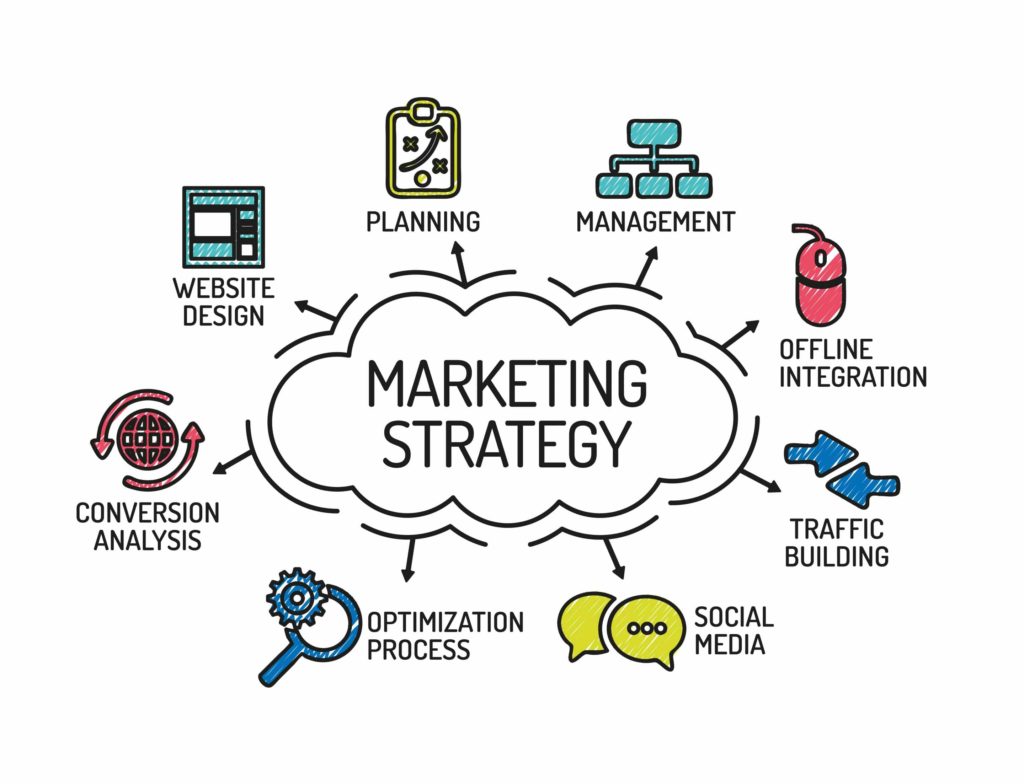
Get FREE Marketing Tips So You Can Grow Your Online Business
Check Out Our Latest Posts
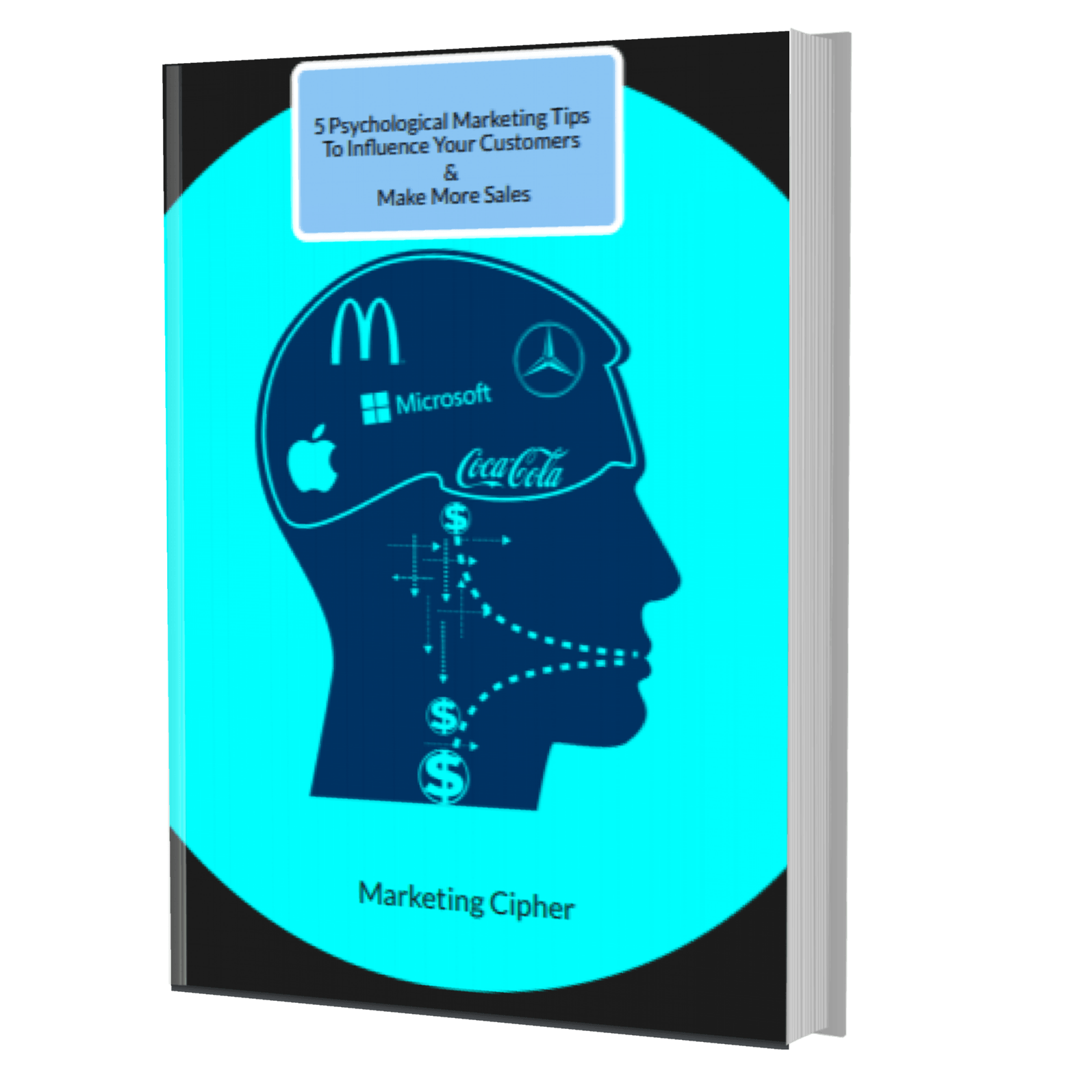
Get Your FREE Gift
"5 Psychological Marketing Tips To Influence Your Customers & Make More Sales"
Download This Free e-book To Learn How To:
Want More Leads, Traffic, & Sales?
Sign Up For Free Tips & Boost Your Results Now!